
Understanding High-Stakes Gambling
High-stakes gambling refers to wagering large sums of money, typically in games such as poker, blackjack, or high-limit slots. This form of gambling attracts players who possess both financial resources and a strong desire for the thrill that accompanies high risks, particularly in the realm of australian neosurf casino options. The atmosphere surrounding high-stakes tables is often electric, filled with tension, strategy, and sometimes bluffs that can shift the outcome of a game dramatically. Understanding the dynamics of these games is essential for anyone looking to enter the world of high-stakes gambling.
Moreover, the financial stakes involved can be daunting, with players often risking thousands or even millions of dollars in a single session. This level of monetary involvement requires not only a keen understanding of the games but also strong emotional control and discipline. The pressure to perform well is immense, as one poor decision can lead to substantial losses. Therefore, aspiring high-stakes gamblers must prepare themselves mentally and financially to navigate this thrilling yet dangerous terrain.
The allure of high-stakes gambling is not limited to the potential for financial gain; it also offers a unique lifestyle filled with glamour and exclusivity. Players often find themselves in luxurious casinos or private rooms where elite gambling events are held. This environment can enhance the experience, making it not just about the game, but also about the social connections and status that come with being a high-stakes player. Understanding these elements is crucial for anyone wanting to engage in this world successfully.
Strategies for Success
Developing effective strategies is vital for success in high-stakes gambling. Experienced players often employ a combination of mathematical skills and psychological tactics to enhance their gameplay. For example, understanding odds and probabilities in games like poker can significantly inform a player’s decisions. Knowing when to bet, raise, or fold can be the difference between winning a pot or losing one’s entire bankroll. It’s not just about luck; strategic thinking is a quintessential part of high-stakes gambling.
Another important strategy involves observing opponents and understanding their behavioral patterns. Body language, betting habits, and reactions to wins or losses can provide valuable insights into an opponent’s mindset. Players who master the art of reading others can gain an upper hand at the table. Moreover, successful gamblers often practice bankroll management, ensuring they do not risk more than they can afford to lose. This involves setting strict limits on betting amounts and sticking to them, regardless of the game’s outcome.

Additionally, continuous learning and adaptation are crucial elements of a successful high-stakes gambling strategy. The landscape of gambling evolves with new games, technologies, and trends continually emerging. High-stakes gamblers must keep themselves informed about these changes and be willing to adapt their strategies accordingly. This might involve studying new techniques, seeking mentorship from seasoned players, or even utilizing technology to track gameplay and analyze outcomes, ensuring they remain competitive in an ever-changing environment.
The Psychological Aspects
The psychological challenges of high-stakes gambling cannot be underestimated. The pressure of placing large bets can lead to heightened anxiety and stress, significantly impacting a player’s decision-making abilities. Many successful high-stakes gamblers emphasize the importance of emotional control to maintain optimal performance. Players must learn to manage their emotions effectively, ensuring that feelings of excitement or frustration do not cloud their judgment at critical moments.
An additional psychological factor is the phenomenon of “tilt,” where a player reacts adversely to a series of losses, leading to erratic decisions and increased risks. Recognizing signs of tilt is crucial for maintaining a disciplined gambling approach. Successful players often develop strategies to mitigate these emotional swings, such as taking breaks, setting time limits, or employing mindfulness techniques to refocus their mindset during play. By understanding and addressing these psychological barriers, high-stakes gamblers can improve not only their gameplay but also their overall gambling experience.
Moreover, the social dynamics of high-stakes gambling add another layer to the psychological landscape. Interactions with fellow players and the atmosphere of competition can stimulate both camaraderie and rivalry. Building relationships can be advantageous; sharing tips and strategies or forming alliances can enhance a player’s success. However, it is also essential to navigate these relationships carefully, as trust can sometimes lead to manipulation or betrayal. Balancing these social aspects with individual gameplay is essential for anyone serious about succeeding in high-stakes environments.
The Risks Involved
With the potential for significant financial gains, high-stakes gambling also comes with considerable risks. One of the most immediate concerns is the possibility of substantial financial loss. Players must be prepared for the reality that they could walk away from a session empty-handed, sometimes affecting their overall financial stability. This level of risk necessitates strict financial planning and a deep understanding of one’s limits to avoid the pitfalls that can come with excessive gambling.
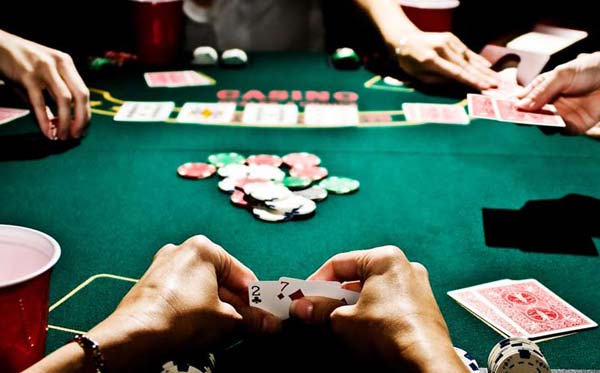
Furthermore, the addictive nature of high-stakes gambling poses another grave risk. The thrill of winning can create a euphoric cycle that sometimes leads players to chase losses, resulting in further financial disaster. Responsible gambling practices must be implemented to mitigate these risks, including self-imposed betting limits and regular self-assessments of one’s gambling behavior. Recognizing when to step back and seek help is crucial for maintaining a healthy relationship with gambling.
Lastly, the social stigma associated with high-stakes gambling can also impact a player’s life. Family and friends may not always understand the allure or the challenges of this gambling realm, leading to potential isolation or conflict. High-stakes gamblers should be open about their experiences and seek support from like-minded individuals. Building a support network can help players navigate the emotional and social implications of high-stakes gambling, ensuring that they maintain both their wellbeing and their passion for the game.
Explore Your Passion for High-Stakes Gambling
Navigating the world of high-stakes gambling requires dedication, strategy, and an understanding of the myriad factors that influence success. Whether you are a seasoned player or a newcomer looking to explore this thrilling realm, resources and communities focused on high-stakes gambling can provide valuable insights and support. Engaging with fellow enthusiasts through forums, blogs, or local gaming events can enhance your experience, offering opportunities to learn and grow in your gambling journey.
Moreover, staying informed and connected is essential to thriving in this competitive environment. New strategies, trends, and technologies are continually emerging, and being part of a community can offer you a wealth of knowledge and experience. Whether through online platforms or in-person gatherings, connecting with other high-stakes gamblers can not only improve your skills but also enrich your overall experience in this dynamic world.
As you explore this fascinating landscape, remember to prioritize responsible gaming practices and maintain a balanced perspective on your gambling pursuits. High-stakes gambling can be both thrilling and rewarding, but it’s essential to approach it with caution and respect. Embrace the challenges and enjoy the journey—success comes from learning, adapting, and remaining passionate about the games you love.